
Introduction
The skilled trades have traditionally been male-dominated fields, but that landscape is changing. More women are discovering that careers in trades like HVAC, electrical work, and healthcare-adjacent technical roles offer rewarding opportunities, competitive compensation, and paths to professional growth.
If you're a woman considering vocational training, understanding the evolving opportunities in skilled trades can help you explore options you might not have previously considered.
Changing Perspectives in the Trades
Several factors are contributing to increased opportunities for women in skilled trades:
- Industry awareness: Many employers recognize the value of diverse workforces and are actively working to create more inclusive environments
- Skills-based hiring: Trades emphasize what you can do rather than traditional credentials, allowing capable individuals to advance based on competency
- Workforce needs: As demand for skilled workers grows and existing workers retire, industries are looking to expand their talent pools
- Mentorship programs: Organizations supporting women in trades are providing networking and guidance for newcomers
- Visible role models: As more women enter and succeed in trades, they inspire others to consider similar paths
Advantages of Trade Careers
Skilled trades offer several benefits that may appeal to women seeking alternatives to traditional career paths:
- Shorter training timelines: Many trade programs can be completed in months rather than years, allowing faster entry into the workforce
- Hands-on work: Trades offer tangible, practical work for those who prefer active problem-solving over desk-based tasks
- Career stability: Essential services like electrical work, HVAC, and healthcare support maintain consistent demand
- Entrepreneurship potential: Skilled tradespeople may eventually pursue self-employment or business ownership
- Variety: Many trade roles involve working in different locations and tackling diverse challenges
What Training Involves
Trade training programs are designed to be accessible to students without prior experience. Common elements include:
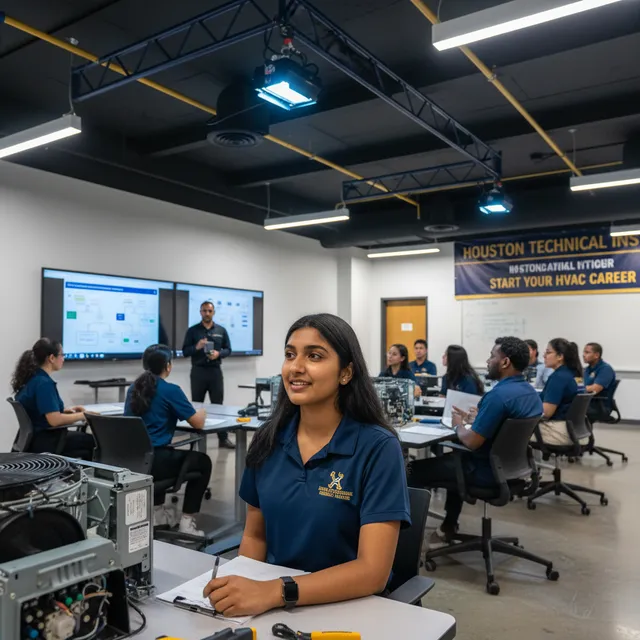
- Classroom instruction: Learning the theory, safety practices, and regulations relevant to the field
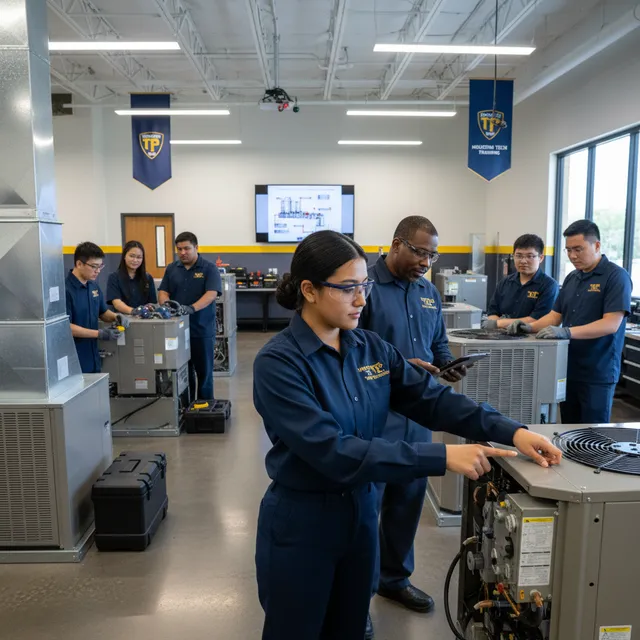
- Hands-on labs: Practicing skills with actual tools and equipment in simulated work environments
- Supportive instruction: Working with instructors who guide students through each skill at an appropriate pace
- Externship opportunities: Some programs include real-world experience components
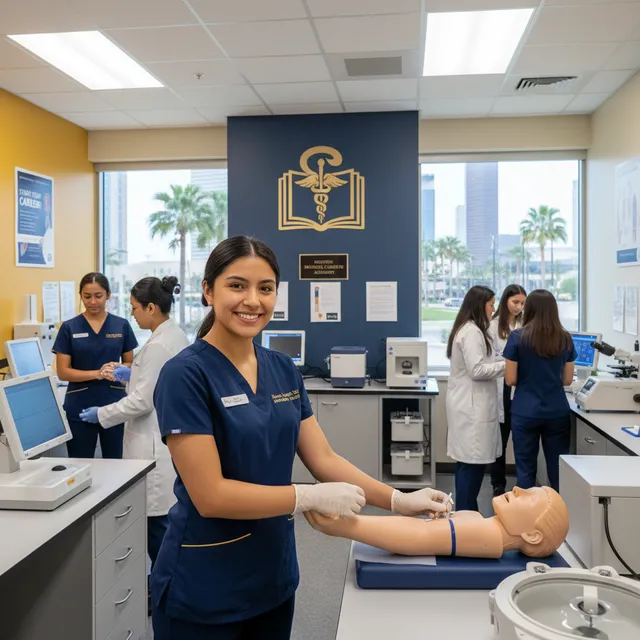
Programs in healthcare, electrical, HVAC, and other trades all follow this pattern of combining knowledge with practical application.
Creating a Supportive Path
Women entering trades may find it helpful to:
- Research programs: Look for training providers with supportive environments and diverse student populations
- Connect with others: Seek out women already working in your field of interest for insights and encouragement
- Focus on skills: Building competency is the foundation of success in any trade
- Ask questions: Don't hesitate to reach out to admissions staff to learn about the training environment and student support
Frequently Asked Questions
Are trade environments welcoming to women?
Many training programs and employers are actively working to create inclusive environments. Researching specific programs and asking about their culture can help you find supportive options.
Do I need to be physically strong to work in trades?
While some trade work involves physical activity, technique and proper tool use are often more important than raw strength. Many tasks that once required significant physical effort now benefit from improved equipment and methods.
What if I have no experience with tools or technical work?
Training programs are designed for beginners. Instructors start with fundamentals and build skills progressively, so no prior experience is typically required.
Explore Your Options
If you're curious about skilled trade careers, taking time to explore training programs could open doors to opportunities you might not have considered. Visit our programs page to learn more about healthcare and trade training options, or contact us to request information about getting started.