Introduction
HVAC technician training prepares students for work with heating, ventilation, and air conditioning systems—the equipment that keeps homes, businesses, and industrial facilities comfortable year-round. If you're considering a career in the skilled trades, understanding what HVAC training involves can help you make an informed decision.
HVAC systems are essential in virtually every building, making this a field with consistent demand for trained technicians who can install, maintain, and repair this equipment.
What HVAC Technicians Typically Do
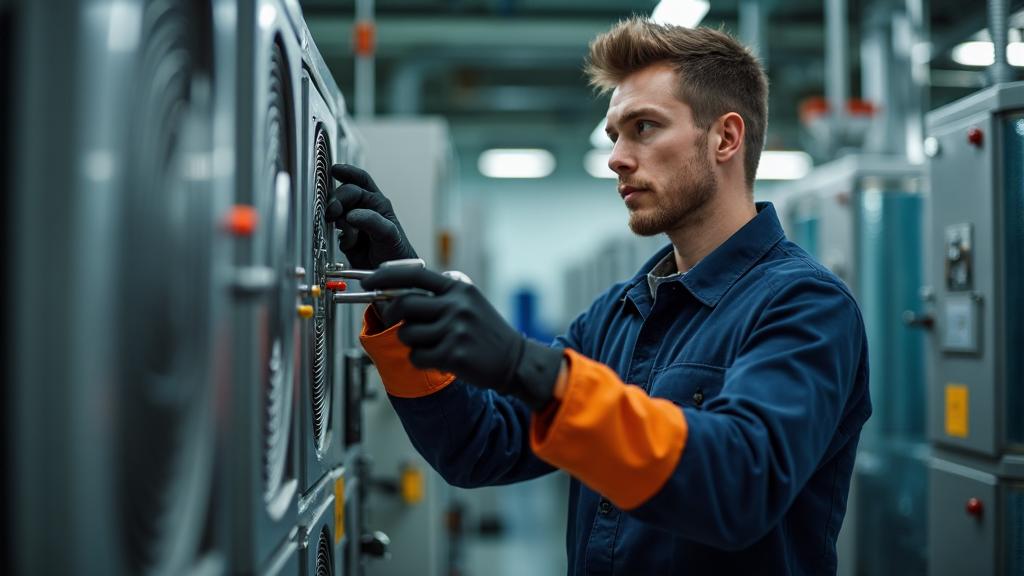
HVAC technicians work with complex systems that control indoor climate and air quality. Common responsibilities may include:
- Installation: Setting up new heating and cooling systems in residential and commercial buildings
- Maintenance: Performing routine inspections, cleaning components, and replacing filters to keep systems running efficiently
- Troubleshooting: Diagnosing problems with systems that aren't heating, cooling, or ventilating properly
- Repairs: Fixing or replacing faulty components such as compressors, motors, thermostats, and ductwork
- Refrigerant handling: Working with refrigerants according to EPA regulations and safety protocols
The work often involves both indoor and outdoor environments and may require technicians to work in tight spaces or at heights.
What Students Learn During Training
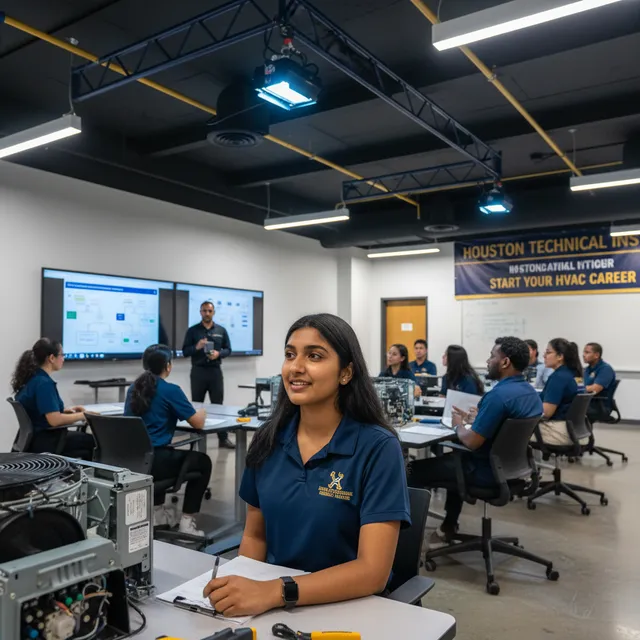
HVAC training programs combine theoretical knowledge with extensive hands-on practice:
- Refrigeration fundamentals: Understanding how cooling systems work, including the refrigeration cycle and heat transfer principles
- Electrical systems: Learning to read wiring diagrams, work with electrical components, and troubleshoot electrical issues safely
- Heating systems: Studying gas furnaces, heat pumps, and other heating equipment
- Air distribution: Understanding ductwork design, airflow principles, and ventilation requirements
- Controls and thermostats: Working with modern digital controls and programmable thermostats
- EPA certification preparation: Learning regulations for handling refrigerants and preparing for certification exams
The Training Environment
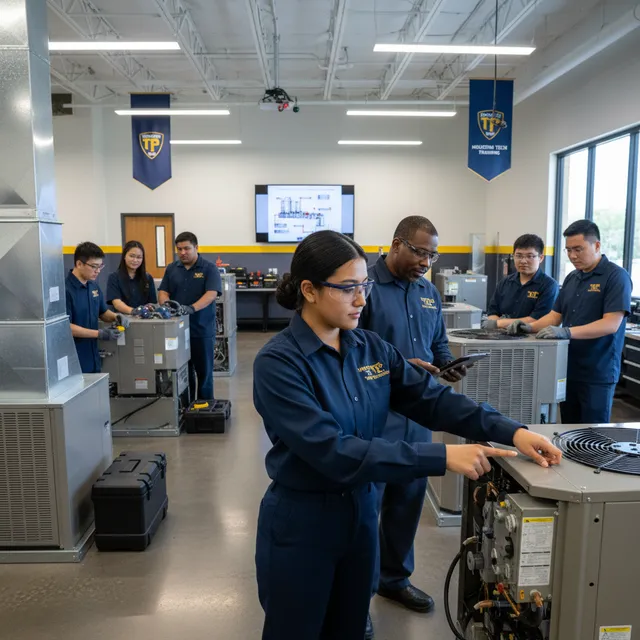
HVAC programs typically feature dedicated labs with real equipment that students can work on directly:
- Functioning heating and cooling units for hands-on practice
- Electrical training boards and diagnostic tools
- Refrigerant recovery and charging equipment
- Ductwork and ventilation system components
- Industry-standard tools and measuring instruments
Students spend significant time in these labs, gaining practical experience with the same types of equipment they may encounter in the field.
Frequently Asked Questions
Do I need to be good at math to study HVAC?
Basic math skills are helpful for calculations related to system sizing and electrical work, but programs typically cover what you need to know as part of the curriculum.
Is HVAC work physically demanding?
The work can involve lifting equipment, working in various positions, and spending time in hot or cold environments. Physical fitness can be beneficial.
What certifications might I pursue after training?
Many HVAC technicians pursue EPA Section 608 certification for refrigerant handling, along with manufacturer-specific certifications as they gain experience.
Explore HVAC Training Options
If you're interested in a hands-on career working with essential building systems, HVAC technician training could be a valuable path to explore. Visit our HVAC Technician program page to learn more about the curriculum and training schedule, or contact us for additional information.