Introduction
If you're exploring healthcare careers, you may have come across the role of a medical assistant. This position is one of the most versatile in clinical settings, offering a unique blend of patient interaction and administrative responsibilities. Medical assistants work alongside physicians, nurses, and other healthcare professionals to help keep clinics and medical offices running smoothly.
Whether you're just starting your career journey or considering a change, understanding what medical assistants do can help you decide if this path aligns with your interests and goals.
What Medical Assistants Typically Do
Medical assistants often serve as the bridge between patients and healthcare providers. Their responsibilities can vary depending on the workplace, but common duties may include:
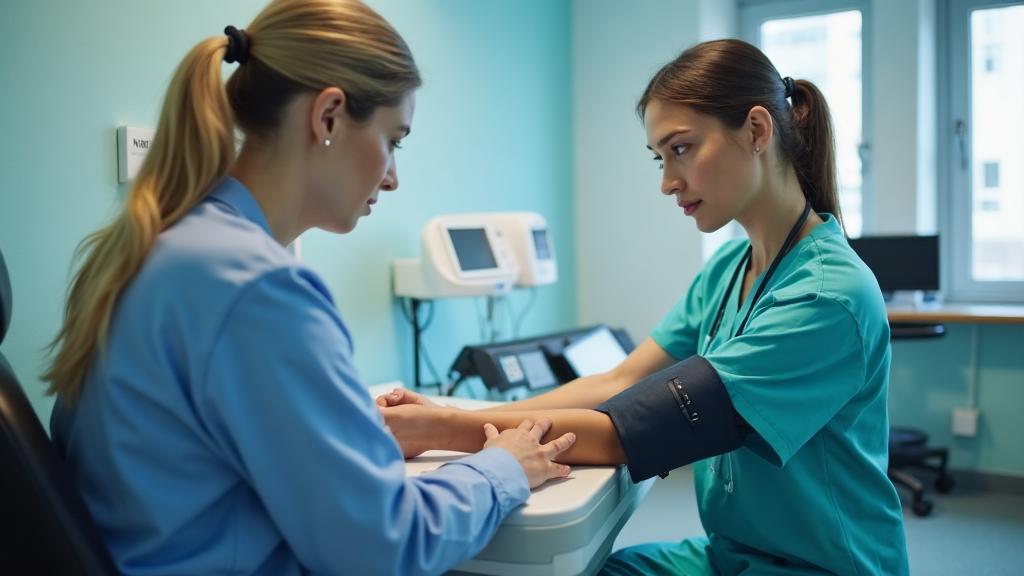
- Clinical tasks: Taking vital signs, preparing patients for examinations, assisting physicians during procedures, collecting lab specimens, and administering medications under supervision
- Administrative duties: Scheduling appointments, updating patient records, processing insurance forms, and managing correspondence
- Patient communication: Answering questions, providing instructions for at-home care, and ensuring patients feel comfortable during their visit
This combination of hands-on clinical work and office management makes the role dynamic and engaging for those who enjoy variety in their workday.
What Students Learn During Training
Medical assistant training programs focus on building both clinical competencies and administrative skills. Students typically gain experience in:
- Anatomy and medical terminology: Understanding the human body and the language used in healthcare settings
- Clinical procedures: Practicing vital signs measurement, phlebotomy, EKG administration, and injection techniques
- Electronic health records: Navigating digital patient management systems used in modern medical offices
- Patient care fundamentals: Learning how to communicate effectively and maintain patient comfort and privacy
- Medical office procedures: Managing scheduling, billing, and insurance documentation
Hands-on training is a significant component, allowing students to practice procedures in simulated clinical environments before working with real patients.
The Training Environment
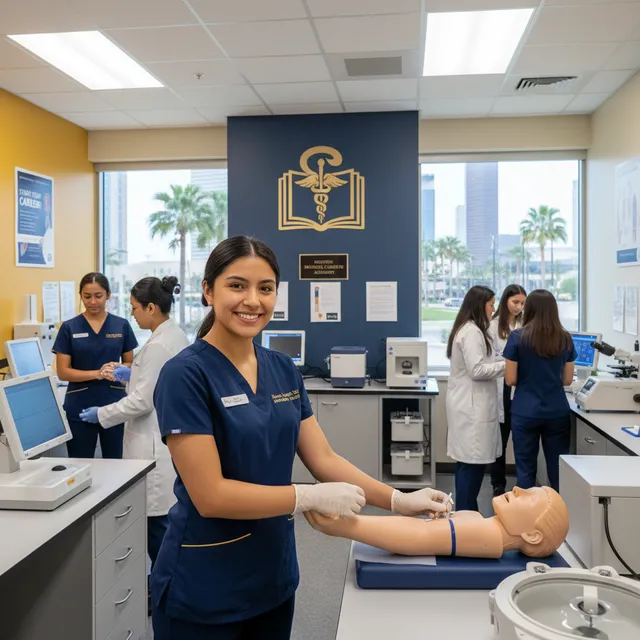
Medical assistant programs often take place in dedicated training labs designed to replicate real clinical settings. Students may work with:
- Examination tables and diagnostic equipment
- Phlebotomy supplies and practice arms
- EKG machines and monitoring devices
- Electronic health record software
- Medical office simulation stations
Classroom instruction covers theory and foundational knowledge, while lab sessions provide opportunities to develop practical skills. Many programs also include externship experiences where students can apply their training in actual healthcare facilities.
Frequently Asked Questions
How long does medical assistant training typically take?
Training programs can range from several months to a year, depending on the program structure and whether you attend full-time or part-time.
Do I need prior healthcare experience to enroll?
Most programs are designed for students with no prior experience. A high school diploma or GED is typically required for enrollment.
Where do medical assistants commonly work?
Medical assistants may find opportunities in physician offices, outpatient clinics, hospitals, urgent care centers, and specialty practices.
Take the Next Step
If you're interested in a healthcare career that combines patient care with administrative responsibilities, medical assistant training may be worth exploring. To learn more about what's involved and how to get started, visit our Medical Assistant program page or contact us to request more information.