In the rapidly evolving world of healthcare, the rise of artificial intelligence (AI) often sparks discussions about the future of various professions. One such profession that frequently comes into question is that of a Medical Assistant. Prospective students in Houston, TX, considering a career as an MA might naturally wonder: will AI eventually replace the invaluable role of a Medical Assistant? The short answer is no, and here's why the human touch, critical thinking, and empathy that MAs bring to the table are more indispensable than ever.
The Evolving Role of the Medical Assistant in a Tech-Driven World
While AI and automation are undoubtedly streamlining many administrative and repetitive tasks in healthcare, they are unlikely to fully replace the complex and nuanced responsibilities of a Medical Assistant. Instead, technology is empowering MAs to be even more efficient and effective, allowing them to focus on the human aspects of patient care that AI simply cannot replicate.
Modern MAs in Houston are highly trained professionals who serve as the backbone of many medical offices and clinics. Their duties span a wide range, from administrative tasks like scheduling appointments and managing patient records to clinical procedures such as taking vital signs, assisting with examinations, and performing phlebotomy. AI can certainly assist with data entry and basic administrative functions, but it lacks the adaptability, interpersonal skills, and emotional intelligence required to interact directly with patients.
Why AI Can't Replicate the Human Touch of an MA
The core of a Medical Assistant's role lies in patient interaction. Consider these key areas where human MAs excel and AI falls short:
- Empathy and Compassion: Patients often come to medical facilities feeling anxious, scared, or in pain. An MA provides comfort, reassurance, and a sympathetic ear – qualities that AI, no matter how advanced, cannot genuinely possess. They can decipher non-verbal cues and offer personalized support.
- Problem-Solving and Critical Thinking: While AI can process data, MAs constantly use critical thinking to assess situations, prioritize tasks, and respond to unexpected events. A patient's sudden change in condition, an urgent scheduling conflict, or a miscommunication requires human judgment and rapid, flexible problem-solving.
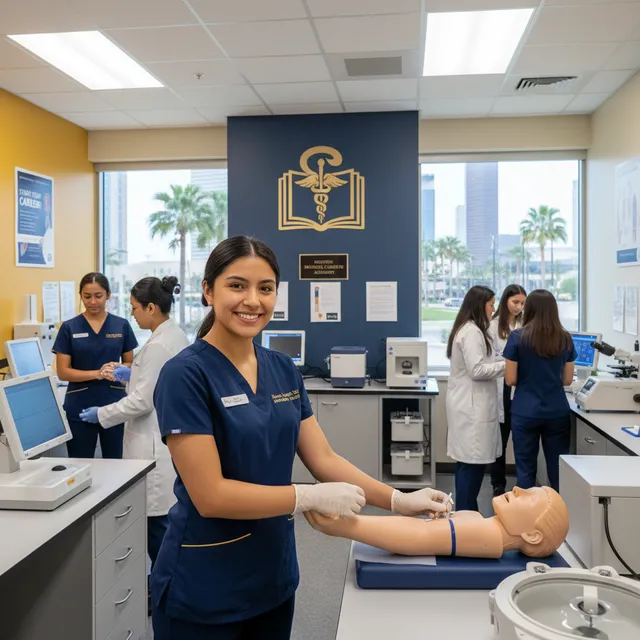
- Manual Dexterity and Clinical Skills: Performing procedures like drawing blood, administering injections, or assisting with minor surgical procedures requires precise manual dexterity, a keen eye for detail, and real-time assessment of patient comfort and safety. These hands-on skills are fundamental to the MA role.
- Interpersonal Communication: Effective communication is paramount in healthcare. MAs act as liaisons between patients and doctors, explaining complex medical instructions in an understandable way, answering questions, and building trust. AI can deliver information, but it struggles with the nuances of human conversation, cultural sensitivity, and active listening.
- Adaptability to Unforeseen Circumstances: Healthcare environments are dynamic. From equipment malfunctions to patient emergencies, MAs must constantly adapt to new situations, often under pressure. AI operates based on programmed rules and data; it lacks the intuitive ability to navigate truly unpredictable scenarios.
The Future of the Medical Assistant: Enhanced by Technology
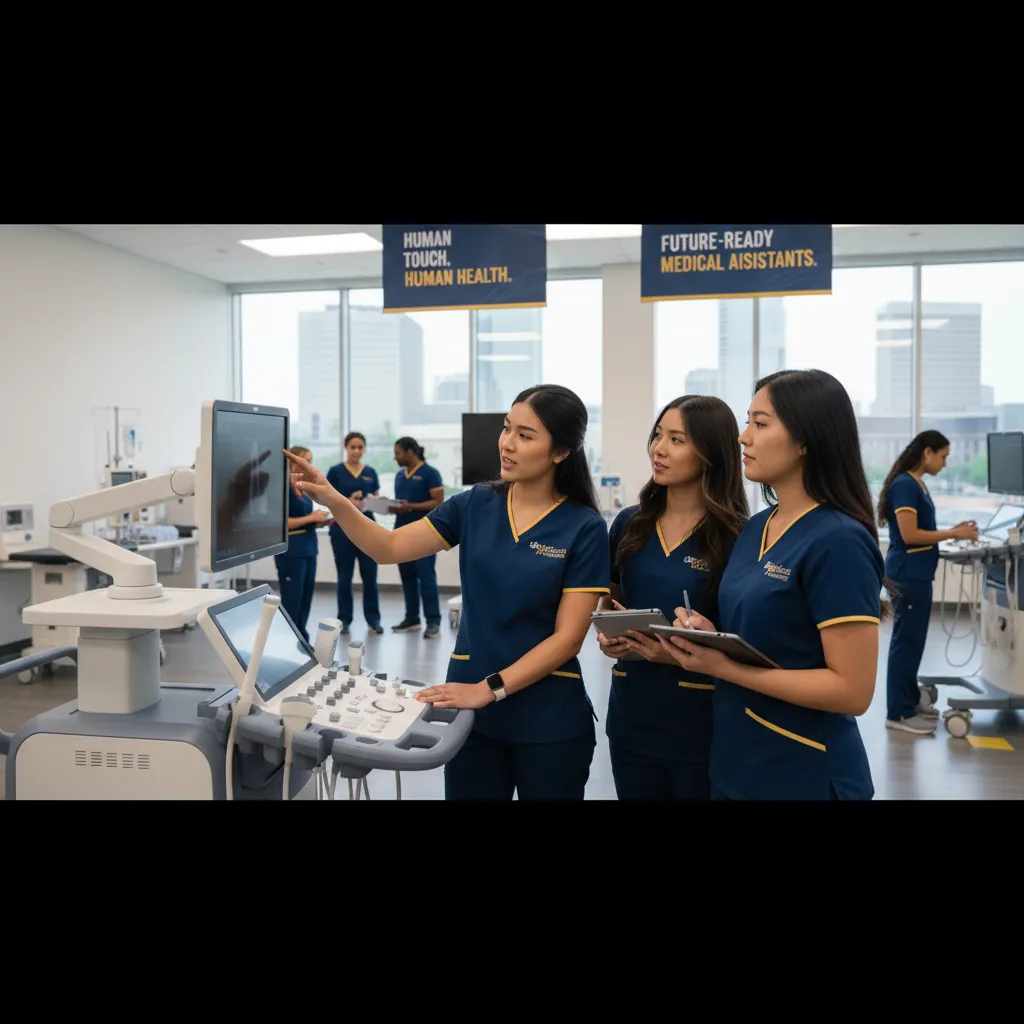
Rather than replacing MAs, AI and other technologies are likely to enhance their capabilities. Imagine an MA in Houston utilizing AI-powered tools to:
- Streamline administrative tasks: AI can automate appointment reminders, generate billing codes, and manage electronic health records more efficiently, freeing up the MA to focus on direct patient care.
- Improve diagnostic support: While MAs don't diagnose, AI could assist in flagging potential patient concerns based on collected data, prompting the MA to gather more specific information for the physician.
- Enhance patient education: AI can provide personalized educational materials to patients, allowing the MA to spend more quality time discussing concerns and answering questions.
- Optimize workflow: Predictive analytics can help MAs manage patient flow more effectively, reducing wait times and improving overall office efficiency.
This integration means that the Medical Assistant of tomorrow will be even more critical, leveraging technology to elevate the patient experience and support the medical team more comprehensively. The demand for skilled MAs who can master both traditional and tech-assisted healthcare roles is projected to remain strong, especially in growing metropolitan areas like Houston, TX.
Embarking on a Rewarding Career as a Medical Assistant
For those considering a career in healthcare, becoming a Medical Assistant offers stability, purpose, and a direct impact on people's lives. At Houston Career Institute, our comprehensive Medical Assistant program is designed to equip students with the essential knowledge and hands-on skills needed to thrive in today's medical field. We focus on both the administrative and clinical competencies, ensuring our graduates are well-prepared for the challenges and rewards of this vital profession.
The human element in healthcare is irreplaceable. While technology will continue to advance, the need for empathetic, skilled, and adaptable individuals like Medical Assistants will always be at the forefront of quality patient care. If you're passionate about helping others and are seeking a dynamic career in Houston, TX, becoming an MA is an excellent path.
Ready to make a difference in healthcare? Explore the Medical Assistant program at Houston Career Institute and take the first step toward a fulfilling career where your human touch truly matters. Visit our admissions page to learn more and apply today!
Visit us at /admissions to start your journey.