Introduction
Electrical systems power virtually every aspect of modern life, from homes and offices to factories and infrastructure. This widespread reliance on electricity creates consistent opportunities for trained electrical technicians who can install, maintain, and repair electrical systems.
If you're exploring skilled trade careers, electrical technician training offers a pathway into a field that continues to be relevant as technology advances and new construction projects develop.
Why Electrical Work Remains in Demand
Several factors contribute to the ongoing need for electrical technicians:
- New construction: Residential, commercial, and industrial buildings all require electrical systems designed and installed by trained professionals
- Renovations and upgrades: Older buildings often need electrical systems updated to meet current codes and handle modern power demands
- Technology integration: Smart home systems, electric vehicle charging stations, and renewable energy installations create new areas of work
- Maintenance needs: Existing electrical systems require regular inspection, maintenance, and repair to function safely
- Workforce changes: As experienced electricians retire, opportunities may open for newly trained technicians
What Electrical Technicians Typically Do
Electrical technicians work with the systems that distribute power throughout buildings and facilities. Common responsibilities may include:
- Installing wiring and fixtures: Running electrical cables, mounting outlets and switches, and connecting lighting fixtures
- Reading blueprints: Interpreting electrical diagrams and construction plans to understand system layouts
- Troubleshooting: Identifying the source of electrical problems and determining appropriate solutions
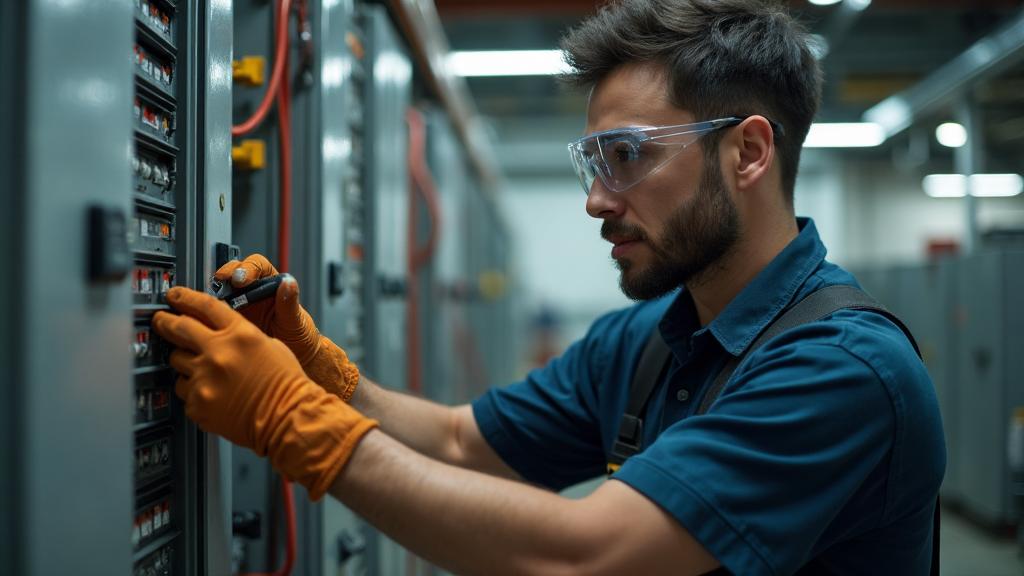
- Testing systems: Using specialized equipment to verify that electrical installations function correctly and safely
- Following codes: Ensuring all work meets local, state, and national electrical codes
What Students Learn During Training
Electrical technician programs provide foundational knowledge and hands-on skills:
- Electrical theory: Understanding voltage, current, resistance, and how electricity behaves in circuits
- Wiring methods: Learning proper techniques for running wire, making connections, and installing electrical components
- National Electrical Code: Studying the regulations that govern electrical installations
- Safety practices: Developing habits that protect against electrical hazards, including lockout/tagout procedures
- Blueprint reading: Interpreting electrical diagrams and construction documents
- Motor controls: Understanding how electric motors are wired and controlled
The Training Environment
Electrical training typically takes place in labs designed to simulate real-world working conditions:
- Wiring practice stations with conduit, cables, and junction boxes
- Electrical panels and breaker systems for hands-on practice
- Motor control trainers and industrial equipment
- Testing and diagnostic instruments
- Safety equipment and protective gear
This practical experience helps students develop confidence with tools and techniques before entering the workforce.
Frequently Asked Questions
Is electrical work dangerous?
Electrical work involves real hazards, which is why safety training is a core component of any program. Learning and following proper safety procedures is essential.
Do I need prior experience to start training?
Most programs are designed for beginners with no prior electrical experience. A high school diploma or GED is typically required.
What comes after completing a training program?
Graduates may pursue entry-level positions as electrical helpers or technicians, often continuing to learn on the job while working toward additional certifications or licensure.
Start Your Electrical Training Journey
If you're interested in a skilled trade with strong demand and diverse applications, electrical technician training could be a valuable investment in your future. Visit our Electrical Technician program page to learn more, or contact us to request additional information about getting started.